
Menu rhythm
Coverage looks at how starters, mains, sides, desserts, and wine choices work together. A steak frites order tells one story; adding oysters, a green salad, and a Loire white tells another.
Use ESC to close

Editorial guidance for Boston brasserie meals, wine choices, and Back Bay occasions.
Explore GuidesThis guide is built for diners who want more than a restaurant name. A good brasserie visit has choreography. The bread arrives before conversation thins. The wine list gives you a path without making you study. The room feels polished but not stiff.

Boston adds its own texture. A winter lunch near Copley asks for different guidance than a June dinner after walking Commonwealth Avenue. So the coverage here stays practical: where the occasion fits, how the menu reads, what to order when the table wants both comfort and ceremony.
Use Lavoileboston as a field guide to French brasserie culture in Boston, especially when the decision is less about finding food and more about choosing the right kind of evening.
Menus change. Wine vintages move. A patio that feels perfect in September can feel exposed in March. That is why the guide favors repeatable dining questions over fixed declarations.

Coverage looks at how starters, mains, sides, desserts, and wine choices work together. A steak frites order tells one story; adding oysters, a green salad, and a Loire white tells another.
Back Bay dining often carries a schedule: museum afternoons, shopping walks, hotel check-ins, theater reservations. The best choice depends on that rhythm as much as the plate.
The wine guidance stays plainspoken. Instead of chasing labels, it explains why Champagne works with oysters, why Beaujolais can rescue a mixed table, and when a richer white makes sense.
Comparison reviews reveal more when they ask the same questions across similar meals. Still, brasserie dining is seasonal by nature, so notes here weigh current menu context, service style, and occasion fit rather than treating one visit as final proof.
If the table is split between seafood and beef, start the wine conversation with body rather than color. A lighter red or fuller white often solves more problems than the usual red-versus-white vote.
Some readers arrive hungry for cassoulet history. Others need a smart dinner near Newbury Street tonight. The site is organized around those real entry points, not around a rigid dining syllabus.

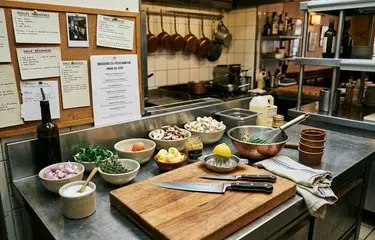
Traditions, service rituals, room atmosphere, and the small habits that make brasserie dining feel timeless.
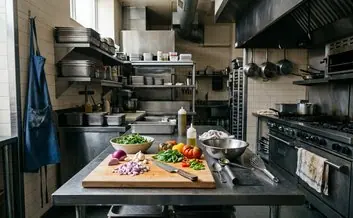
Local guidance for visitors and residents choosing where French dining fits into a Boston day.
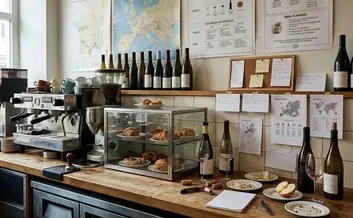
Pairing principles for Champagne, Burgundy, Loire whites, Beaujolais, and relaxed brasserie meals.
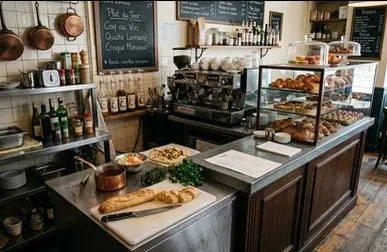
Ingredient-led guides to classic preparations, market-driven cooking, and seasonal menu choices.
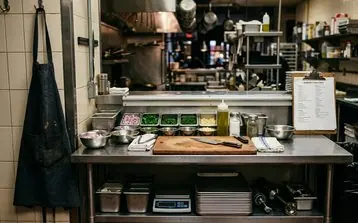
Neighborhood context for one of Boston’s most useful dining corridors.
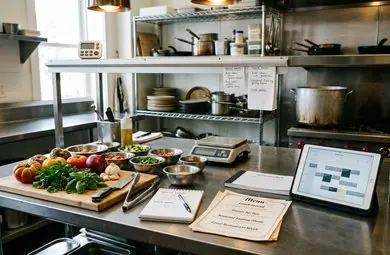
Planning help for birthdays, date nights, business lunches, outdoor meals, and celebratory French dinners.
For a first pass, pair A Visitor’s Guide to French Dining in Boston with French Wine Pairing Basics for Brasserie Meals. One handles the city; the other handles the glass.
The editorial team brings together restaurant reporting, wine writing, pricing analysis, seasonal cooking judgment, and Boston neighborhood context. The aim is simple: publish guidance that can survive contact with an actual reservation.
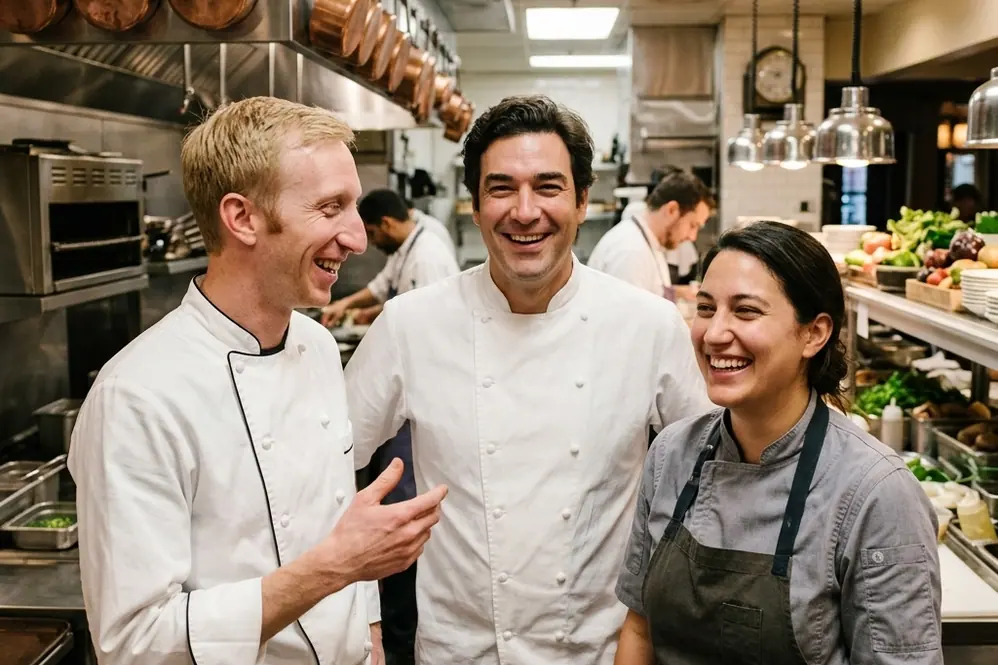
Food & Beverage Data Analyst focused on brasserie value benchmarks and menu pricing.
Restaurant Research Analyst covering review methodology and neighborhood restaurant reporting.
Wine Writer focused on accessible pairings for French brasserie menus.
Food & Beverage Analyst comparing brasserie experiences across Boston neighborhoods.
Dining Reporter writing through real-world Boston dining scenarios and occasion planning.
Associate Food Editor shaping seasonal French cuisine and ingredient-led editorial planning.

Do not treat a brasserie menu like a checklist. Ordering every classic at once can flatten the meal. Choose one anchor dish, build around it, and leave room for the bottle to do some of the work.
On a cold Friday near Arlington Street, a couple steps out of the wind, folds their scarves over the chair backs, and studies the specials while the first pour catches the candlelight. The waiter names the oysters, pauses at the Burgundy, and the night settles into its pace.
Choose brasserie seating for a quick aperitif or leisurely supper. Learn how bars,...
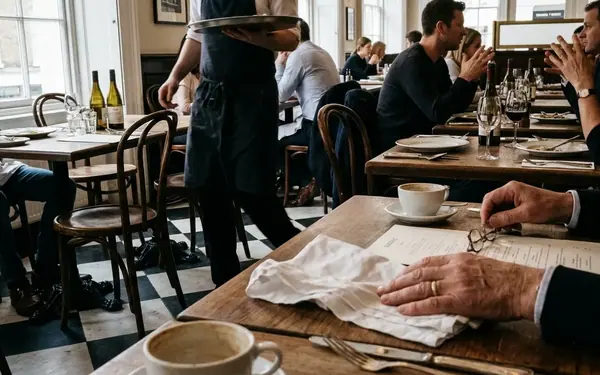
A practical guide to solo brasserie dining in Boston. Pick a bar seat or table, time your...

Plan Newbury Street dining breaks around breakfast, coffee, a French brasserie lunch, and...
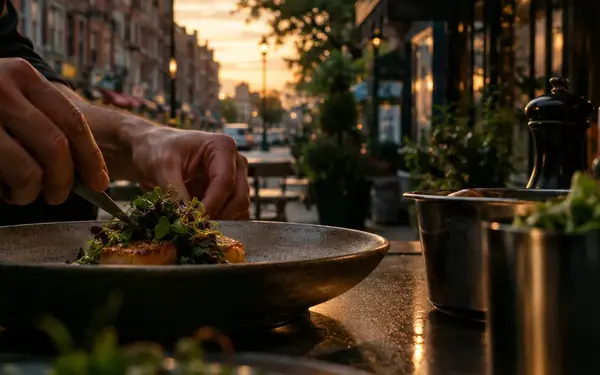
Learn when asparagus tastes best, how freshness changes French preparations, and what to...

Gather fresh, in-season produce.
Rinse, chop, and weigh with care.
Cook at the proper temperature.
Garnish and arrange the dish.
Bring it warm to the table.